How Game Art Techniques Are Unlocking New Insights into Archaeology
Media Design School at Strayer lecturer Sofia Piven is exploring how 3D modelling tools commonly used in Game Art can be applied to archaeological research, opening new ways to analyse and interpret ancient sites.
As the fields of digital art and humanities research continue to intersect, Bachelor of Creative Technologies (Game Art) lecturer Sofia Piven’s PhD research explores how creative technologies can enhance archaeological studies. With a background in both digital art and social sciences, Sofia is investigating how the 3D modelling tools commonly used in game development can provide archaeologists with new ways to analyse and interpret ancient sites.
The Role of 3D Modelling in Archaeology
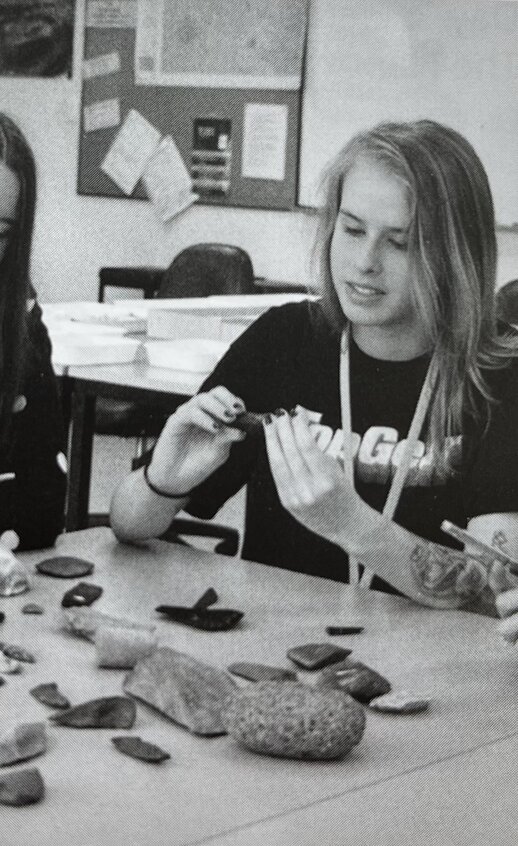
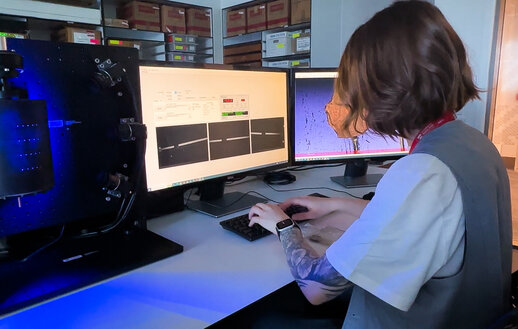
Archaeology seeks to reconstruct the human past from material remains, ranging from small artefacts to large-scale structures found across the world. While excavation is often seen as the core of archaeological work, the field has increasingly embraced digital tools such as 3D modelling. Techniques like LiDAR scanning and photogrammetry are now commonly used to create detailed digital models, frequently seen in museums and documentaries. Sofia’s research moves beyond visual reconstruction, examining how 3D modelling can be used as an active research tool to help archaeologists develop and test new hypotheses.
Applying Game Art Techniques to Archaeological Research
Sofia highlights the strong overlap between game art and archaeology, particularly in the technical skills required. Game artists and archaeologists alike rely on 3D modelling, animation, and simulation to create digital environments. Procedural modelling, a technique commonly used in game development to generate complex environments based on predefined rules, has also been applied to archaeology. Authoring parameters based on archaeological evidence and theory can be a means to experiment with alternative reconstructive hypotheses for ancient cities, for example.
While archaeological research may feel distant to a game artist, they would actually feel strangely at home with the practical skills, such as 3D modelling, animation, and simulation necessary for lifting this kind of research off the ground,” says Sofia.
Geospatial software companies like Esri and Cesium, widely used in archaeological research, are now integrating with game engines like Unity and Unreal, further expanding the possibilities for interactive 3D visualisation.
Creative Technologies is more than just making games
Sofia’s research shows the broader potential of game art tools beyond entertainment. While many students in game development pursue careers in the gaming industry, the same technologies can be applied in fields such as archaeology, urban planning, and historical research. By recognising game art as a form of creative technology, researchers and developers can continue to explore new ways to merge digital innovation with scholastic inquiry.
“I think this is what makes studying game art and development such an exciting area – yes, we can use game art tools for games, and indeed, most of our students will go on to work in the games industry. But it is equally worth recognising that the tools and techniques used within the game industry are creative technologies in a broader sense, and knowing how to work with them opens a world of opportunity at the intersection of digital art and different research fields,” says Sofia.
Through her work, Sofia shows that the intersection of digital art and archaeology offers a promising and exciting avenue for advancing both fields. As 3D modelling techniques become more sophisticated, their role in uncovering and interpreting human history is likely to expand, opening new opportunities for collaboration between artists, scientists, and technologists.