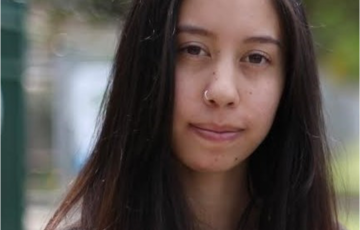
I’ve lived in Auckland my whole life, and I’ve loved movies and video games for as long as I can remember. But the thing I always got the most fulfilment from was creating - drawing, making comics, building worlds. When it came time to choose what to study, I looked through pretty much every course I could find. MDS was the one that genuinely excited me. I read the Game Development course description and thought, that sounds fun - that sounds like something I could actually throw myself into.
I first discovered MDS when they visited my high school for a careers day. The staff were welcoming, the work in the pamphlets looked unreal, and it felt like a place where making games wasn’t just a dream - it was the point.
What had the biggest impact on me was the environment. In third year, you’re building a game with your team, but you’re also surrounded by other teams doing the same thing. You walk into Level 4 and everyone’s making something. It’s inspiring, and if you’ve got a competitive streak like me, it pushes you to lift your standard."
That final-year studio experience is also where I realised what I enjoyed most - game design, and the production side of getting a game out into the world.
A lot of what we learned at MDS still shapes how we work now. The pipeline is a big one - prototyping, vertical slice, polishing, building towards something you can actually put in front of players. Even in a condensed format, those stages teach you how games really get made. And honestly, the “boring” stuff matters too: documentation, logging time, keeping design docs and game design docs so everyone stays aligned. At the time you might roll your eyes, but in a real team it becomes essential.
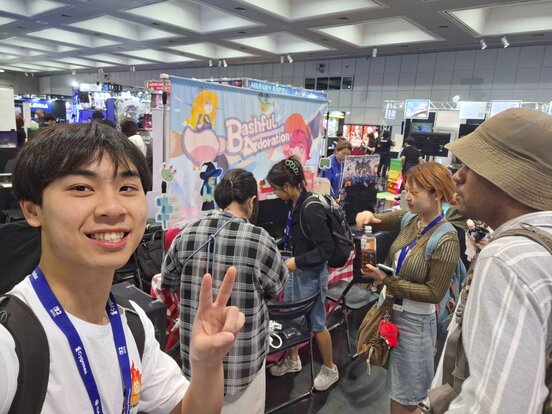
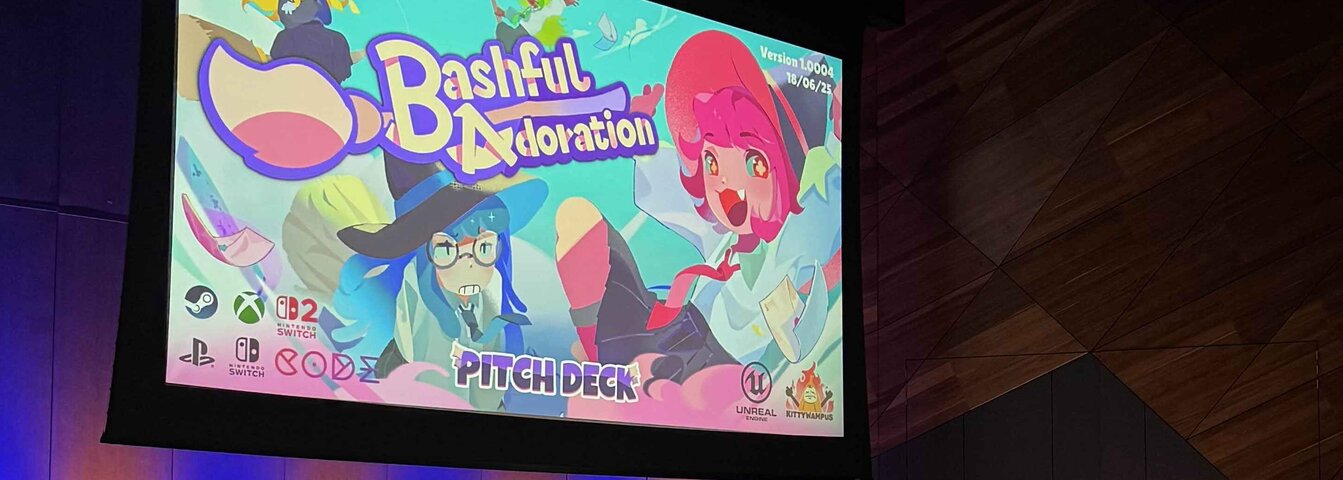
Bashful Adoration started as our third-year project, and one of the biggest turning points was showing an early prototype at an indie showcase near campus. The game was barely a week or two old, but watching strangers pick up the controller and have fun - that changed everything. It gave us motivation, but it also shaped the game. Player reactions taught us what was working and what needed to evolve.
Now the project has travelled. BitSummit in Kyoto was a major milestone - it’s Japan’s largest indie game festival, and being selected told us we might be onto something. We also exhibited at NZGDC in Wellington alongside a wider MDS presence, which really reinforced how strong the community side of games is.
After graduating, one of the scariest parts was realising we weren’t being “hand-held” anymore. Indie development is rewarding, but risky. You can work incredibly hard and still not control outcomes. That uncertainty brought a lot of anxiety early on - which makes the wins feel even more meaningful when they land.
If I could give one piece of advice to future game students, it would be this: ask yourself what you do when no one tells you what to do. If you really want to make games, you’ll be drawn to making them anyway. Try everything, find what clicks, and then run with it. And if you want to go indie - make something you’d still want to make even without guarantees.